

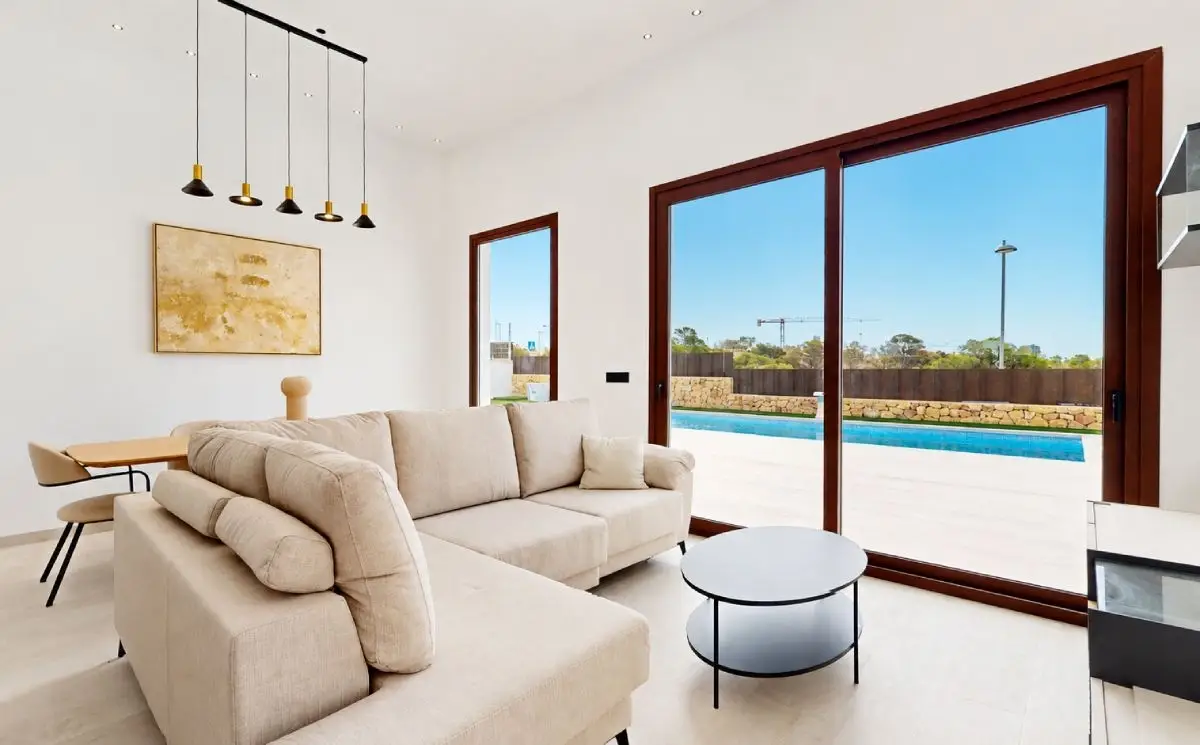
Durante años, la vivienda se ha valorado principalmente por aspectos como la ubicación, los metros cuadrados o el número de habitaciones. Todos ellos siguen siendo factores fundamentales, pero hoy existe una tendencia que está redefiniendo la manera en la que entendemos el hogar: el Slow Living.
Más que una moda, el Slow Living propone una forma diferente de vivir, en la que el bienestar cotidiano cobra protagonismo. Se trata de crear espacios donde sea más fácil disfrutar del tiempo, reducir el estrés y favorecer una vida más cómoda y equilibrada. En este contexto, la arquitectura y el diseño de las viviendas desempeñan un papel esencial.
Cada vez son más las personas que buscan hogares luminosos, abiertos y funcionales, capaces de adaptarse a su ritmo de vida y no al contrario. Y precisamente esa filosofía está presente en nuestras promociones residenciales de obra nueva.
Qué es el slow living y por qué está influyendo en la forma de entender la vivienda
El concepto Slow Living nace como respuesta al ritmo acelerado que caracteriza la vida actual. No significa vivir despacio en sentido literal, sino dar prioridad a aquello que realmente aporta valor: el descanso, el bienestar, la comodidad y el disfrute del tiempo en casa.
La vivienda deja de ser únicamente el lugar donde dormir para convertirse en un espacio donde desconectar, compartir momentos con la familia o simplemente disfrutar del día a día.
Esta nueva forma de entender el hogar ha cambiado también las prioridades de quienes buscan una vivienda. Hoy se valoran aspectos como:
- La entrada de luz natural durante gran parte del día.
- La conexión entre el interior y el exterior.
- La amplitud visual de los espacios.
- La eficiencia energética y el confort térmico.
- La calidad de los materiales y los acabados.
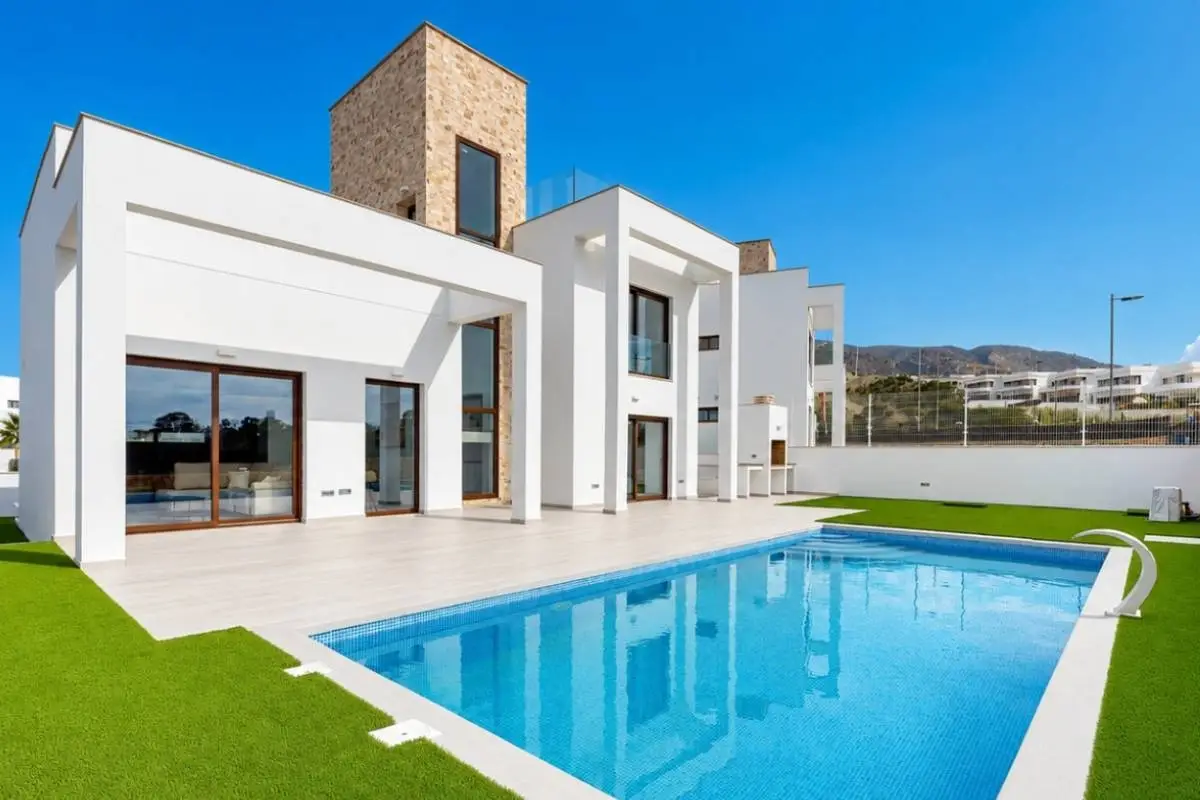
- La posibilidad de disfrutar de terrazas, jardines o zonas comunes.
Todos estos elementos contribuyen a crear viviendas que no solo son atractivas estéticamente, sino también cómodas para vivir durante todo el año.
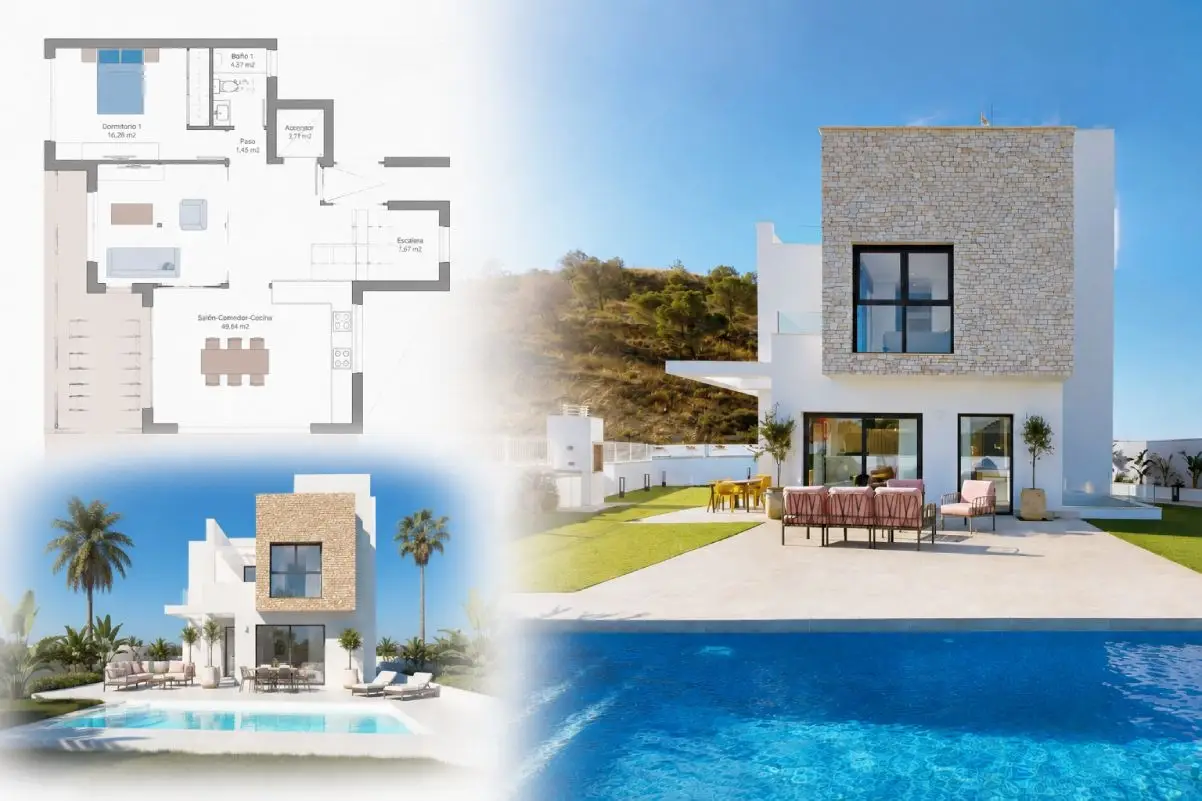
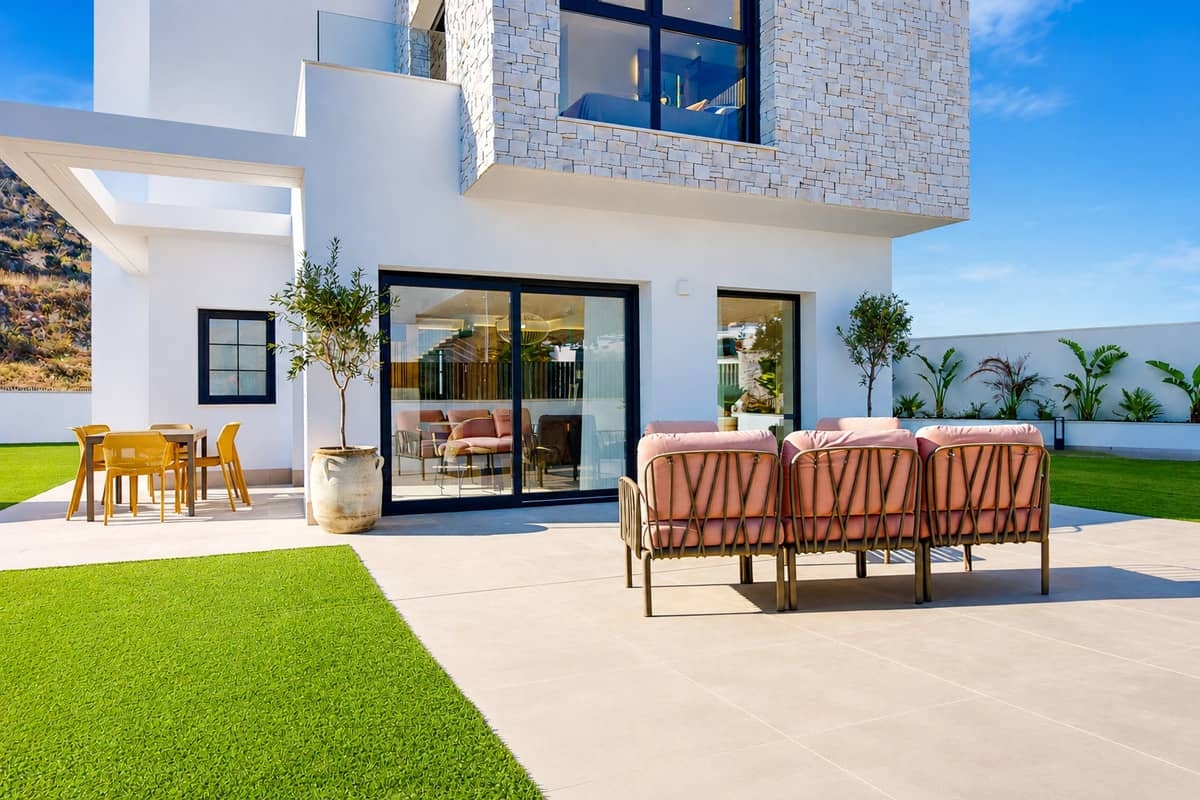
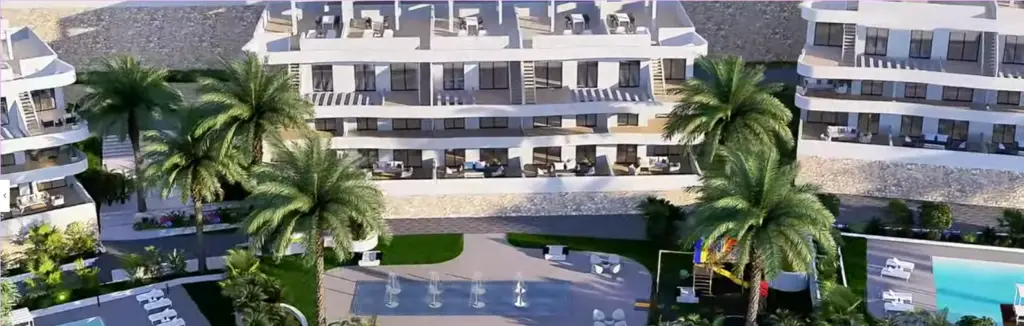
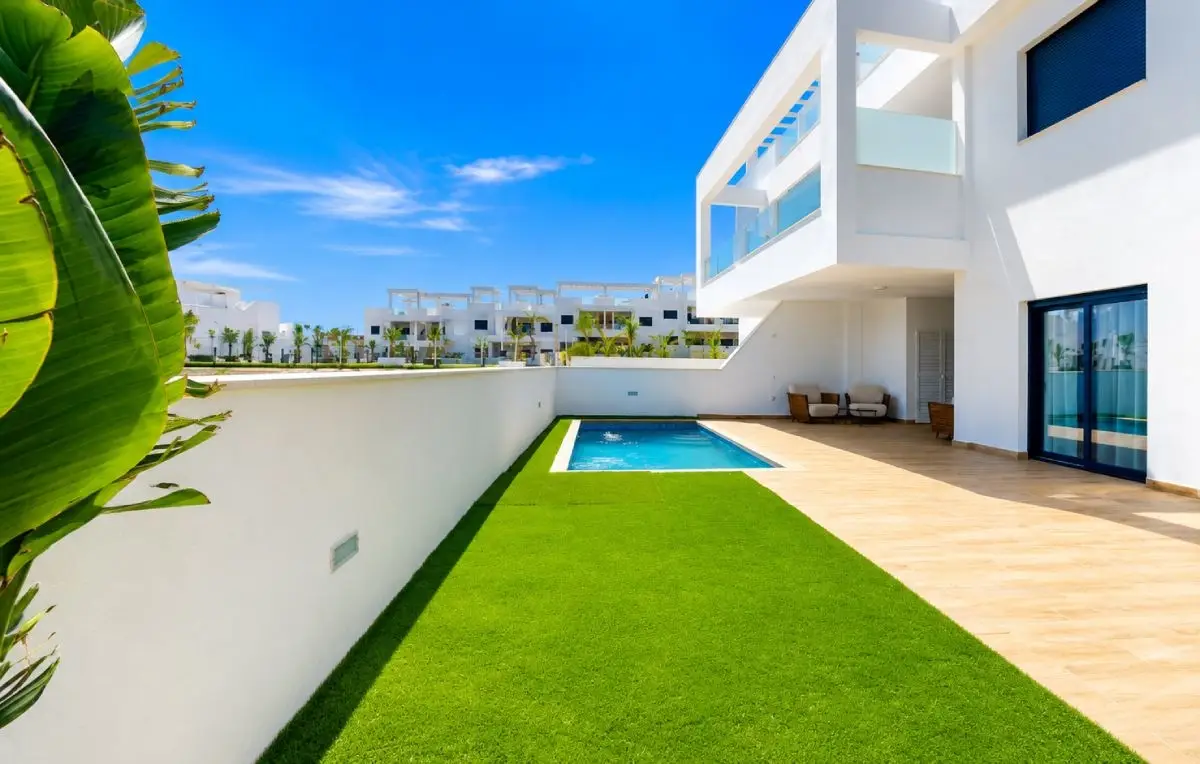
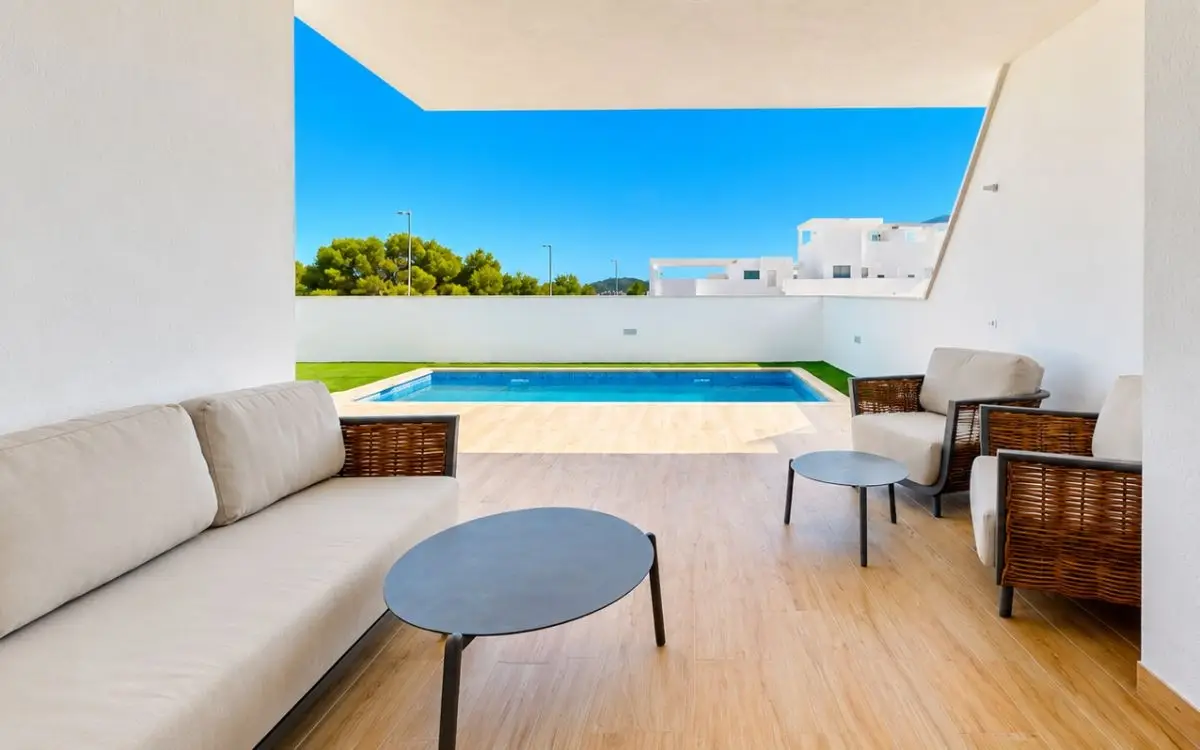
En destinos como la Costa Blanca, donde el clima permite aprovechar el exterior durante muchos meses, esta filosofía adquiere todavía más sentido. Las terrazas se convierten en una extensión natural del salón, los grandes ventanales favorecen la entrada de luz y la relación con el entorno pasa a formar parte de la experiencia diaria.
El resultado son hogares pensados para vivir con mayor calidad de vida, aprovechando cada espacio y disfrutando de un estilo de vida más relajado.
Espacios más abiertos, funcionales y pensados para el día a día
Uno de los principios más visibles del Slow Living es el diseño de viviendas que faciliten la vida cotidiana.
Las distribuciones tradicionales, con numerosas divisiones y espacios poco conectados, han dado paso a diseños mucho más abiertos y funcionales, donde cada estancia se integra de forma natural con las demás.
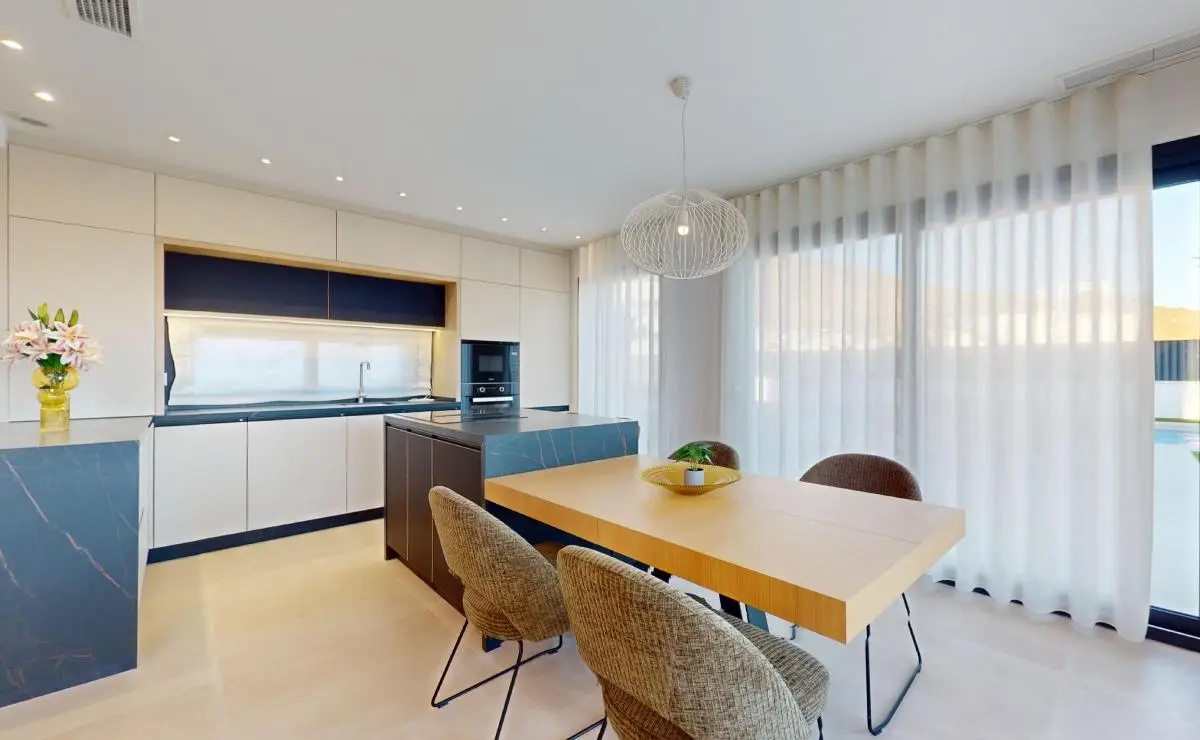
The cocinas abiertas al salón, por ejemplo, favorecen la convivencia y permiten que cocinar forme parte de la vida familiar o social. Del mismo modo, los grandes ventanales no solo aportan luminosidad, sino que generan una mayor sensación de amplitud y conectan el interior con el paisaje exterior.
La funcionalidad también se refleja en detalles que mejoran el confort diario:
- Dormitorios diseñados para favorecer el descanso.
- Baños modernos y cómodos.
- Espacios de almacenamiento bien integrados.
- Terrazas amplias para disfrutar del aire libre.
- Distribuciones que aprovechan al máximo cada metro cuadrado.
In addition, the energy efficiency se ha convertido en otro elemento imprescindible dentro de esta forma de entender la vivienda. Un buen aislamiento, sistemas de climatización eficientes o materiales de calidad permiten mantener una temperatura confortable durante todo el año, reduciendo al mismo tiempo el consumo energético.
Todo ello contribuye a crear hogares donde resulta más fácil disfrutar del tiempo, trabajar desde casa cuando es necesario o simplemente relajarse después de la jornada.
Una vivienda diseñada para disfrutar hoy y también en el futuro
El Slow Living no implica renunciar al diseño, la tecnología o la innovación. Al contrario, busca integrar todos esos elementos con un objetivo claro: mejorar la experiencia de quienes viven en la vivienda.
Por eso, las promociones de obra nueva incorporan cada vez más soluciones orientadas al bienestar, desde distribuciones más inteligentes hasta espacios exteriores privados, piscinas, jardines, zonas comunes o sistemas que mejoran la eficiencia y el confort.
At Immosol, entendemos que una vivienda debe responder tanto a las necesidades actuales como a las que puedan surgir con el paso del tiempo. Por ello, desarrollamos proyectos que combinan diseño contemporáneo, materiales de alta calidad, eficiencia energética y espacios pensados para disfrutarse cada día.
Porque un hogar no se define únicamente por su ubicación o sus características técnicas. También se define por cómo te hace sentir.
Y precisamente ahí es donde el Slow Living encuentra su verdadero significado: en viviendas concebidas para vivir con más tranquilidad, más comodidad y una mayor calidad de vida.