



There are certain features of a home that can completely transform the way we perceive and enjoy its spaces. Windows are one of them. Their size, location and orientation largely determine the natural light, but they also influence the views, the sense of space and the connection between the interior and the exterior.
A light-filled room can create a completely different atmosphere right from the start. Light allows you to appreciate materials better, enhances colours and helps to create more pleasant atmospheres. For this reason, when choosing a home, it’s not just the square metres, the layout or the build quality that matter: it’s also important to observe how light enters and how each space changes throughout the day.
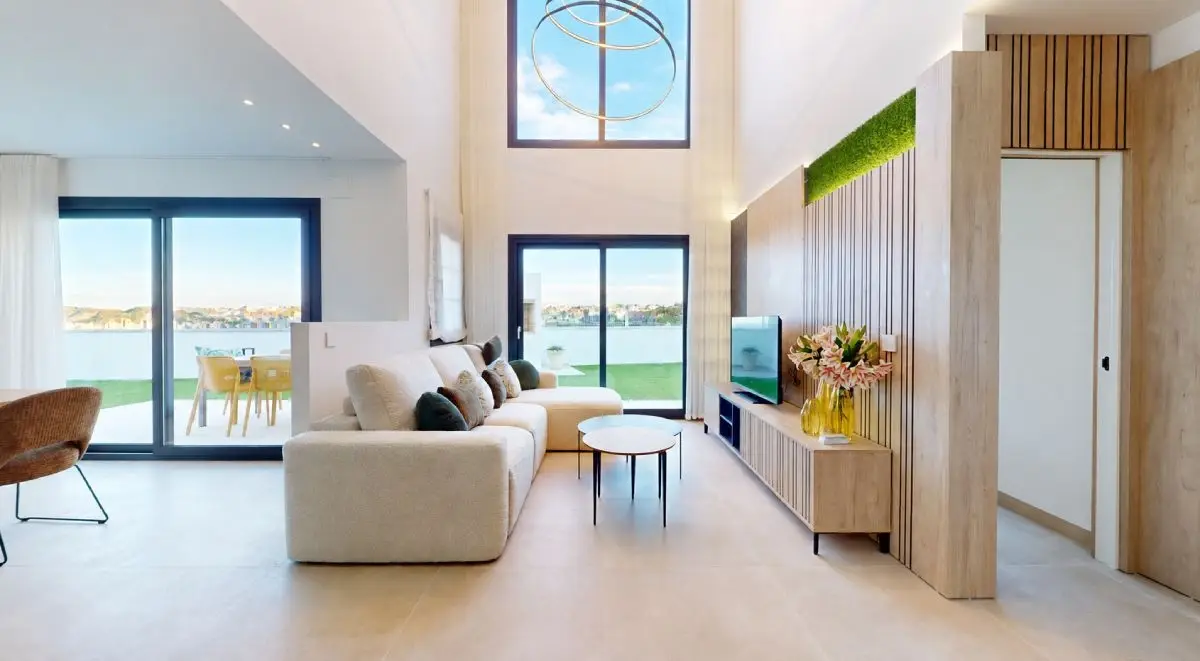
In today’s residential architecture, windows are no longer seen merely as a functional solution. Large windows, glass doors and spaces opening out onto the outdoors are part of a way of design homes which seeks to make the most of the environmental conditions and to create bright, comfortable interiors that are connected to terraces, gardens or outdoor areas.
The importance of windows and natural light in a home
The amount of light a room receives can significantly alter our perception of the space. A room with plenty of natural light tends to feel more spacious, open and welcoming.
However, it is not simply a matter of installing large windows. The orientation of the property, the position of the windows, the interior layout and the relationship between different rooms are all factors that also determine how light is utilised.
Well-planned architecture takes all these elements into account right from the initial design stage. The aim is to ensure that natural light reaches the main areas of the home and which can be worn during everyday activities for much of the day.
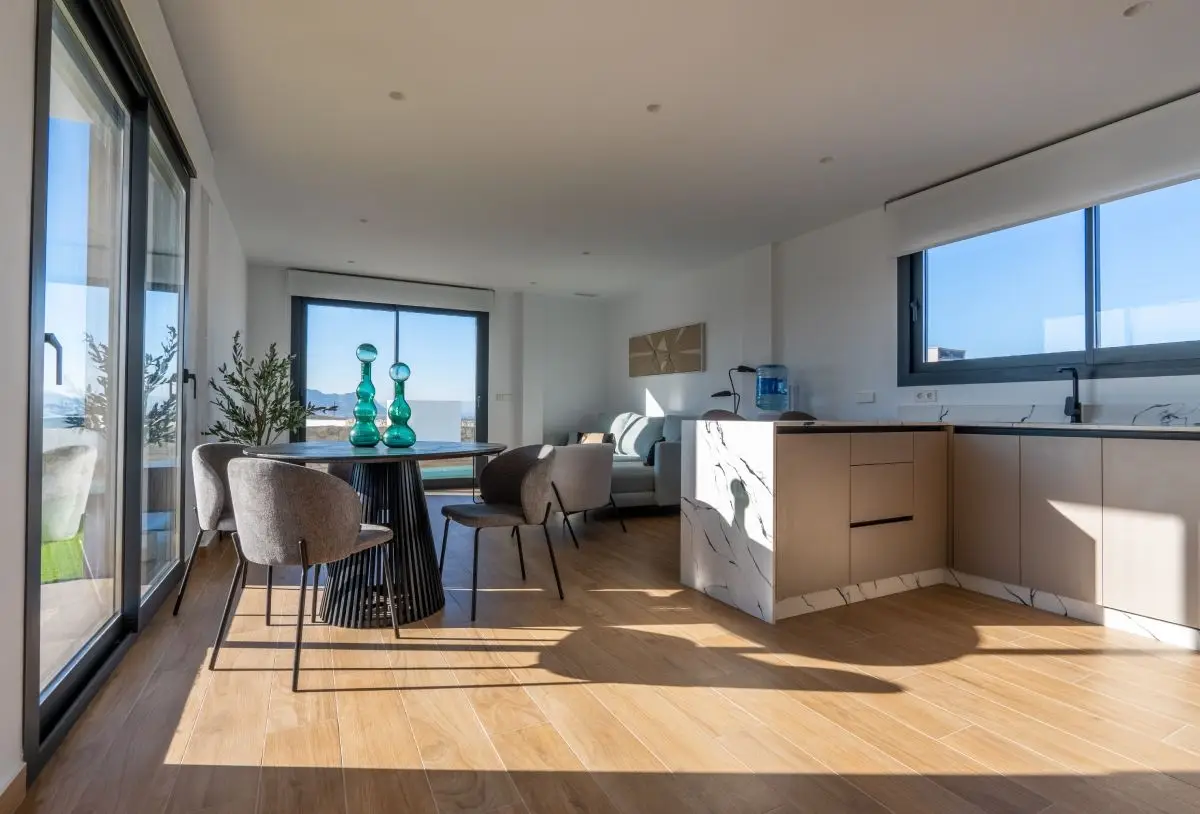
This planning is even more important in rooms such as the living room, the dining room or the kitchen. In the open-plan homes, for example, a large window can help ensure that a single light source reaches different rooms and enhance the visual continuity between them.
Furthermore, natural light has the ability to enhance other important aspects of a home. Finishes, textures, cladding and furnishings are perceived differently when properly lit. In this way, windows and architecture work together to create spaces that are balanced from both an aesthetic and a functional point of view.
We must also take into account the efficiency. A well-lit home allows you to make the most of natural light for longer periods and reduces the need to constantly rely on artificial lighting. When this approach is combined with construction solutions and building envelopes that quality, it is possible to find a balance between light, insulation and thermal comfort.
Natural light, views and a sense of wellbeing in everyday life
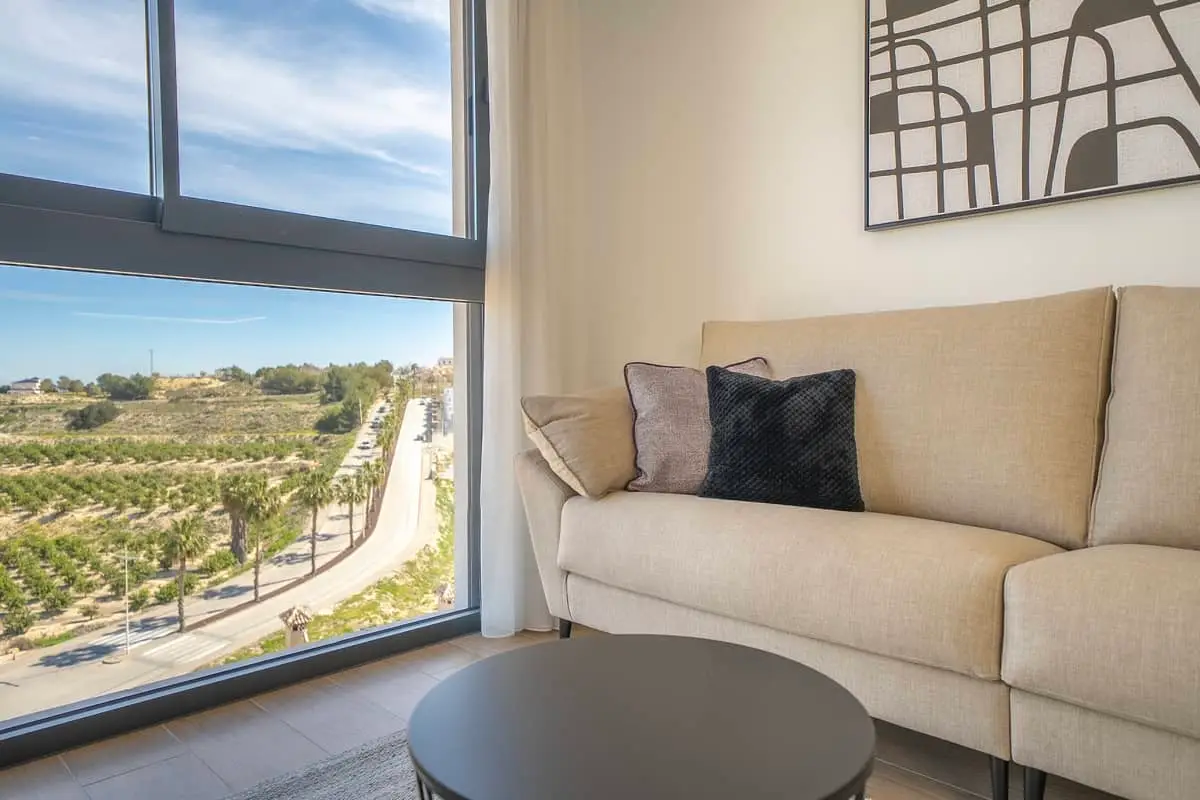
A window is also a way of connecting the home with its surroundings. Having a small opening is not the same as having a large window through which the outside world becomes a visual part of the living room or bedroom.
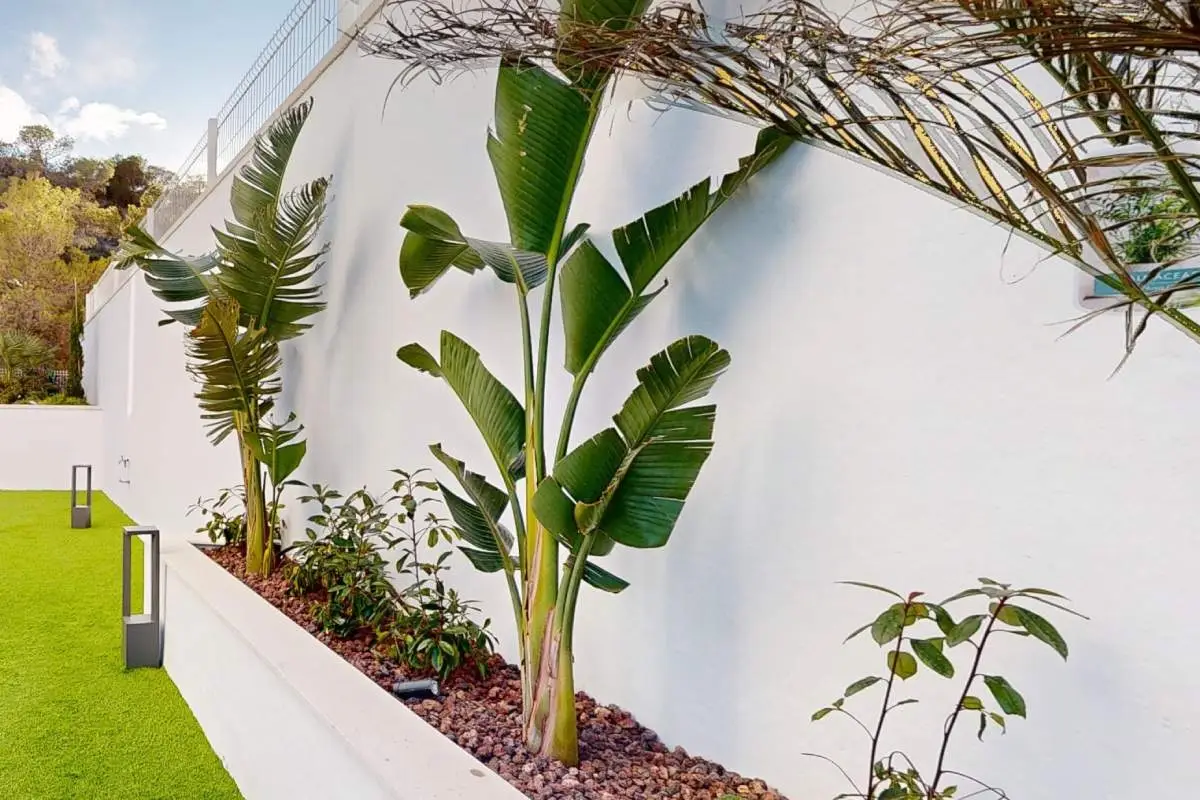
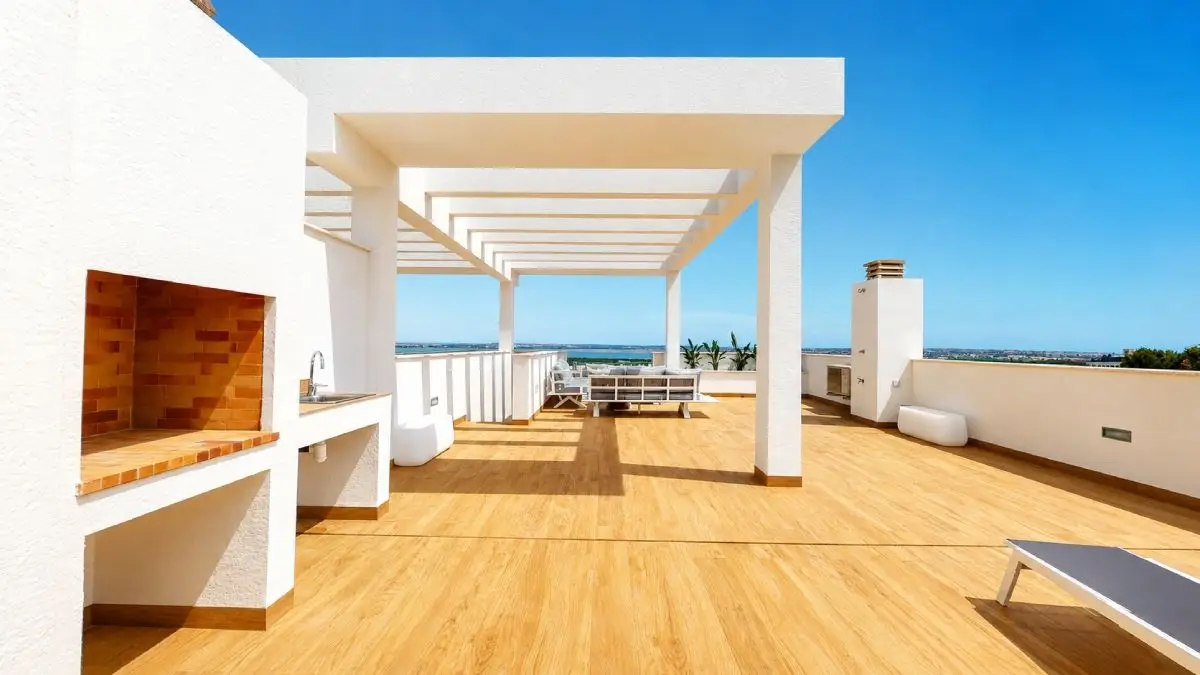
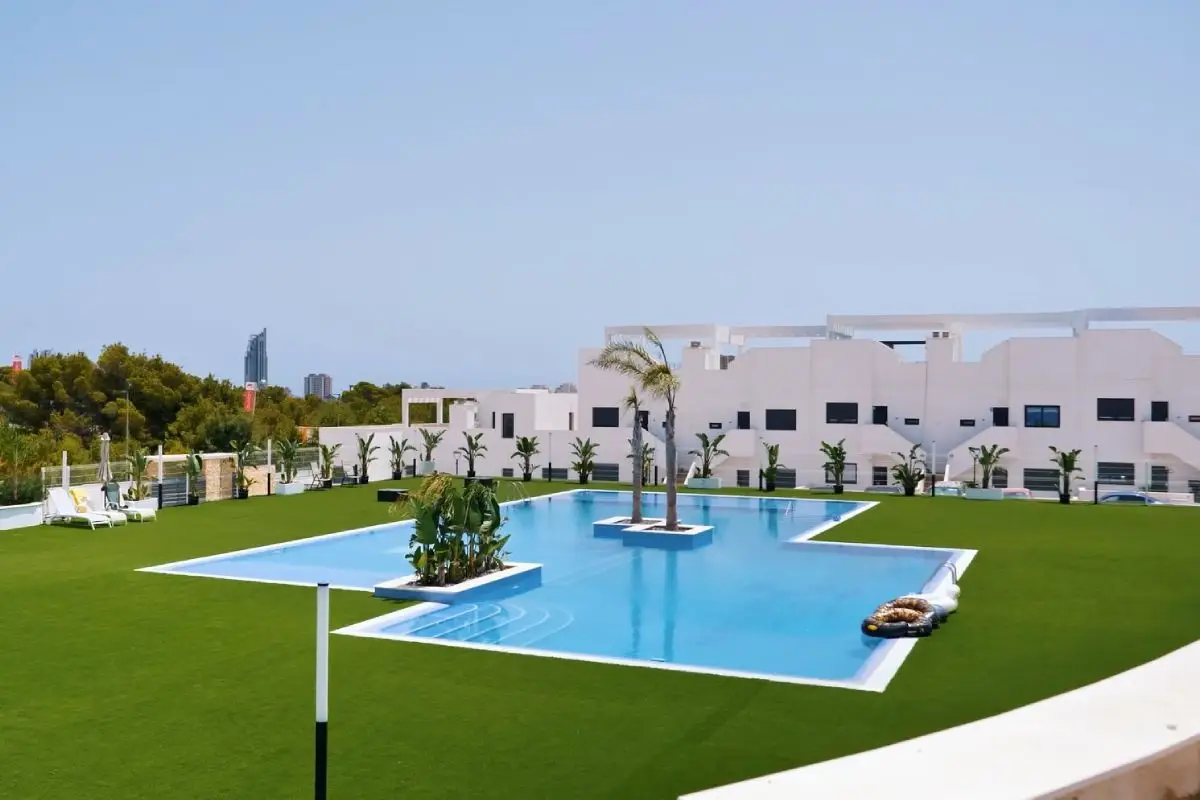
This connection takes on particular importance when the property has terrace, garden, solarium or swimming pool. Glazed surfaces create a more seamless transition between indoor and outdoor spaces, making both feel like part of the same home.
In areas with many hours of sunshine a year, such as the Costa Blanca, making the most of natural light becomes even more important. Being able to have breakfast in natural light, enjoy a living room that opens out onto the terrace, or take in the views from inside are small details that ultimately become part of the day-to-day experience of living in a home.
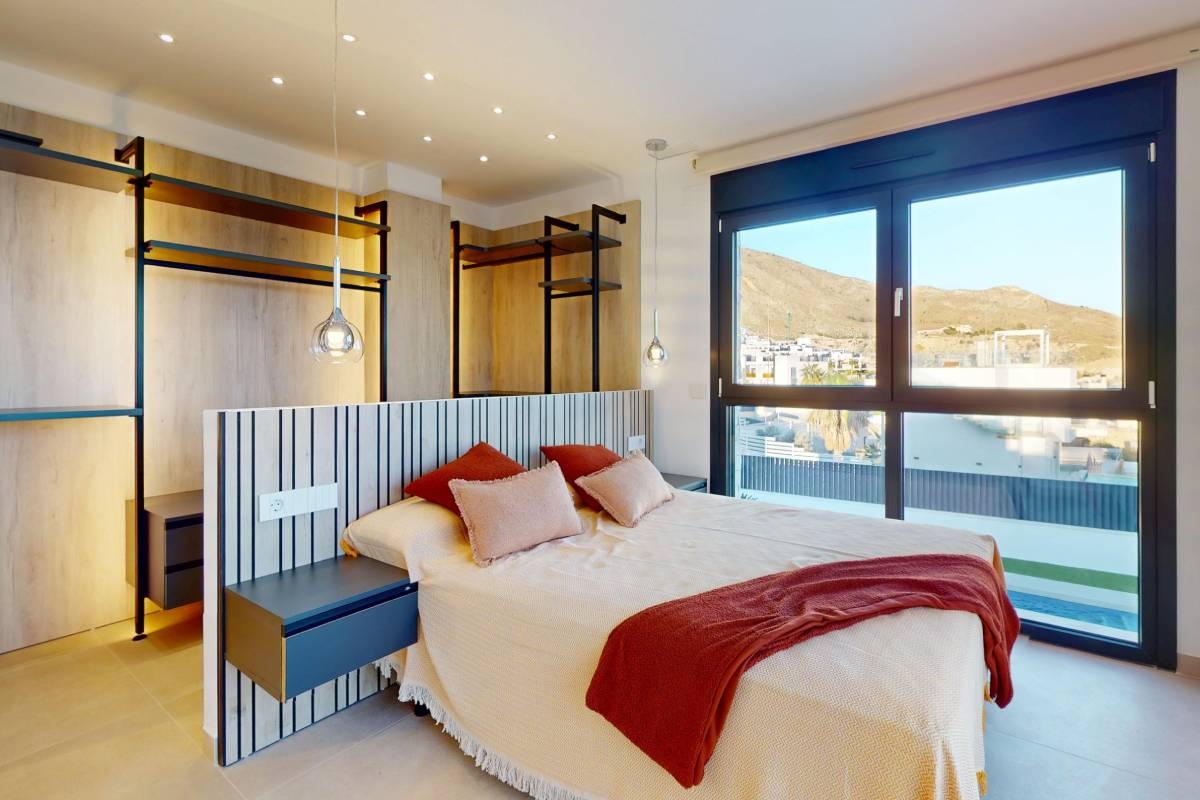
Light also influences the atmosphere of each room. Throughout the day, changes in intensity and tone transform the spaces, allowing the same room to take on different nuances in the morning, in the afternoon or at dusk. In contrast to completely uniform lighting, Natural light brings a sense of vitality and helps to create more pleasant interiors.
For this reason, when viewing a property with a view to buying it, it is worth paying attention to aspects that go beyond its floor area. Which way do the main rooms face? How does the living room connect to the terrace? Are there large windows? Does the layout allow light to reach different areas of the house?
These are issues that can make a significant difference to how a home is used and enjoyed in the long term.
Homes designed to make the most of the light
The search for brighter homes is closely linked to an approach to architecture that places ever greater emphasis on comfort, spaciousness and a connection with the surroundings.
At Immosol, these principles are reflected in the design of our property developments. The layout of the spaces, terraces and outdoor areas, together with the extensive glazed surfaces, are designed to create open, light-filled homes, suited to a lifestyle in which the indoors and outdoors are in constant harmony.
Particularly in a setting such as the Costa Blanca, where the climate and hours of sunshine mean that outdoor spaces can be enjoyed for much of the year, designing a home with light in mind – and how it relates to terraces, gardens or communal areas – helps to enhance the day-to-day experience.
Because choosing a house means assessing its square metres, its quality, its location and its layout, but it also means imagining what it will be like to live there. And sometimes, all it takes is to go over to a window, look out and see how the light streams in to start imagining it.

 Spanish
  English
  French
  Dutch
Dutch